
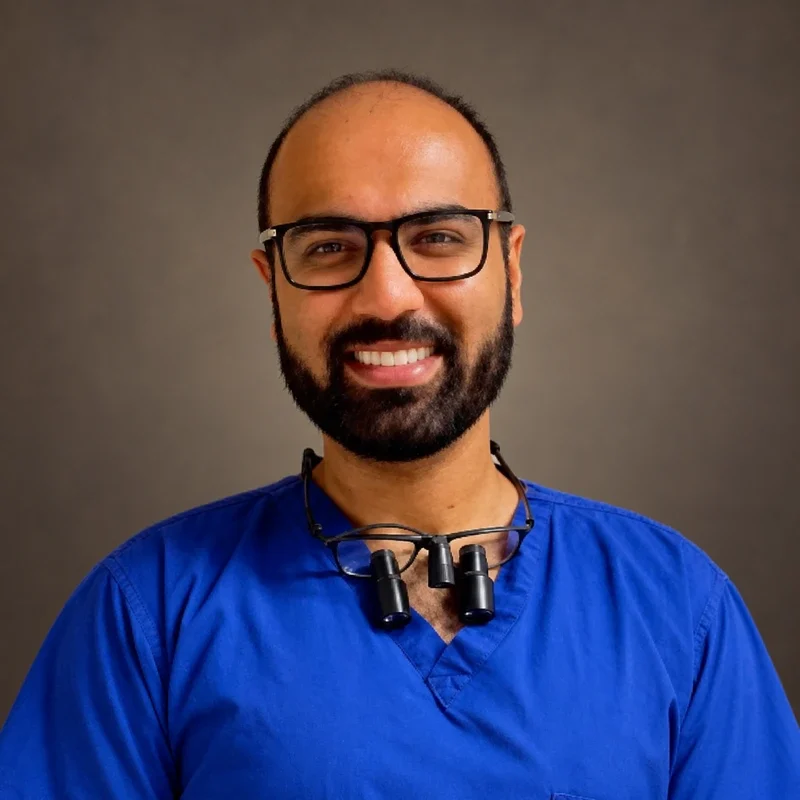
 Kishan Patel
Clinical Director Orthodontics
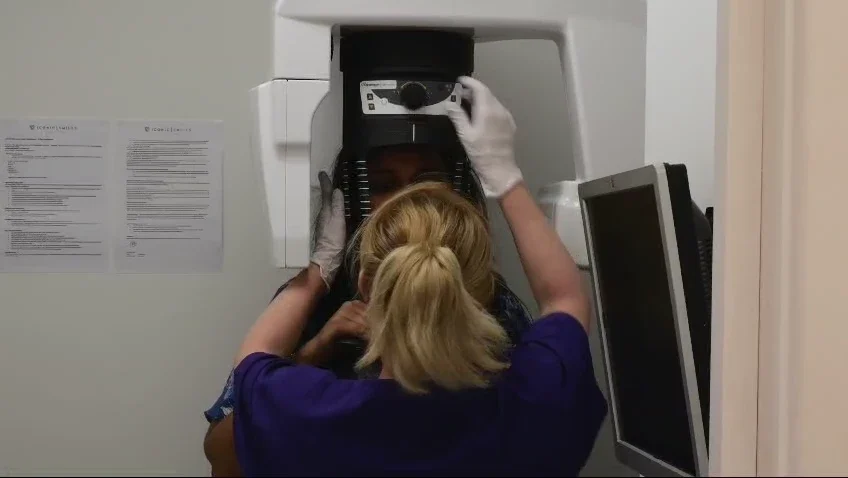
Technology is useful only when it improves diagnosis, planning, communication or the treatment experience. Our digital workflows support routine and complex dentistry across the group.
CBCT imaging can assess implant bone, map roots, visualise sinus spaces and other important structures, and support planning for complex surgical and restorative cases.
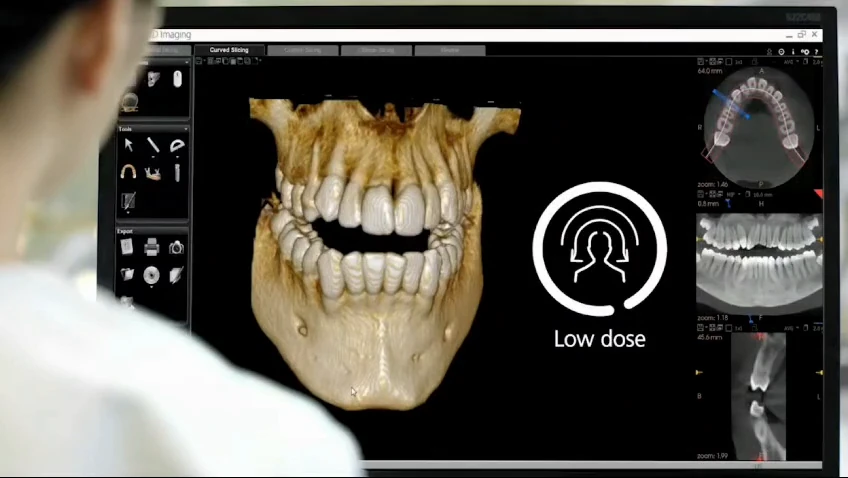
Intraoral scanners are used for many Invisalign, orthodontic, crown, bridge, veneer, implant and bite-analysis workflows.
For suitable implant cases, 3D planning can be combined with custom surgical guides to control implant position and improve restorative predictability.
Photography, digital design, mock-ups and modern laboratory workflows help us plan proportions, tooth position and the relationship between your smile, face and bite.
Implant, restorative and orthodontic expertise brought together around one patient.
Meet the team
Kishan Patel
 Vishal Patel
 Mayur Pandya
Detailed 3D imaging
Comfortable digital impressions
Predictable workflows
See what your clinician sees
No. Three-dimensional imaging should be used when the additional information is clinically justified. Your clinician explains why imaging is proposed, its limitations and any relevant fee.
No. Scans, guides and simulations support planning and communication. Your anatomy, oral health, healing and treatment limitations still matter. The clinician remains responsible for assessing suitability and explaining realistic outcomes.
You do not need to have decided on treatment. A consultation is £30: time to share what matters to you, ask questions and explore the options that may suit you.
For planned treatment. Additional scans or investigations may cost separately; emergency assessment fees differ. Please confirm when booking.
Select a location to continue to its live booking diary.
Tap a number to call the team directly.
Go straight to a treatment, or view the complete treatment guide.